How to play Spellbound well
- Several spells are on screen at once — type one to cast it.
- Word length is cast time: short words are fast and weak, long words slow and devastating.
- Enemies act in real time. A long cast can be interrupted.
- Between floors, pick relics that change how your spells behave.
Spellbound is built on the one mapping typing games have always had available and rarely used: how long a word takes to type is how long a spell takes to cast. A four-letter jab lands almost immediately for very little damage. An eleven-letter nuke takes real seconds during which the enemy is still moving, still winding up, still able to punish you. Every moment of combat is a decision about whether you can afford the big word.
That makes it a genuinely different skill from a typing test. Raw speed helps, but the player who wins is the one reading the board — tracking enemy wind-up timers, noticing that a heal is available but costs as much time as an attack, deciding to chip safely rather than gamble on a long cast. Accuracy matters more than in any other mode here, because a mistyped long word is time you will not get back.
Runs are procedurally generated and last roughly ten minutes. Relics found along the way change the maths rather than nudging it: one makes short words cast faster, another makes long words hit harder, a third gives every spell a chance to fire twice. Two runs with different relics want genuinely different typing from you.
When you want a measured score instead of a run, take the typing speed test. For technique rather than practice, read how to improve your typing speed.
Other games: Falling Words, Word Rain, Word Blaster, Typing Grand Prix, Boss Battle, Combo Rush, Typing Survivor, Ghost Racer, Card Battle.
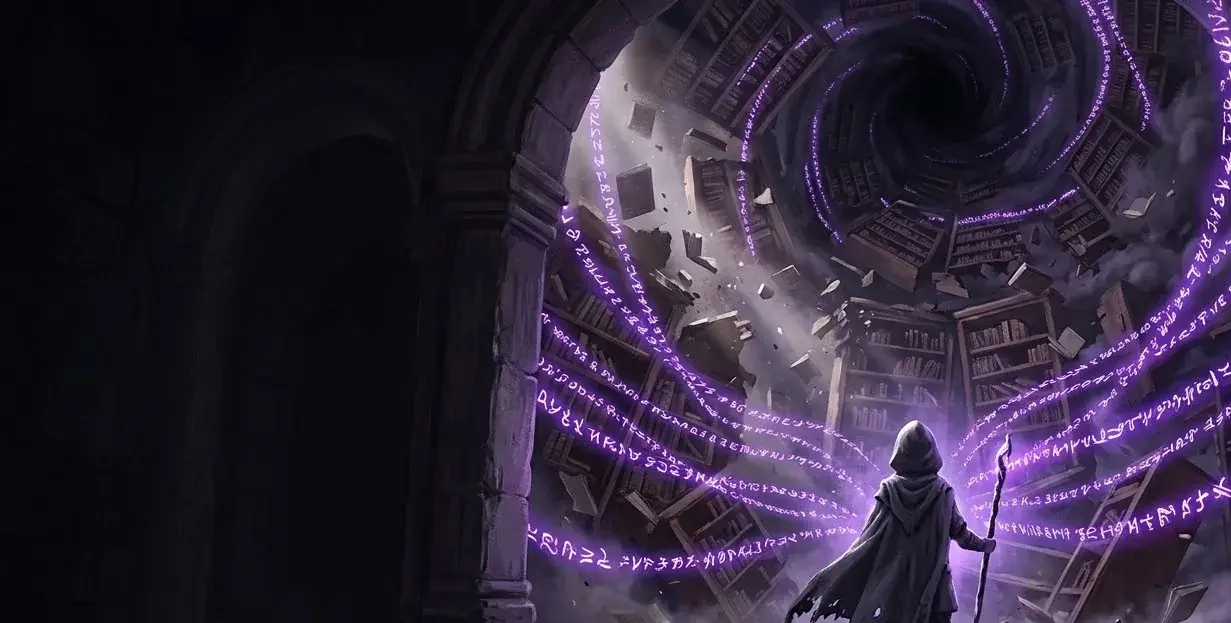
Spellbound
Words are spells. Choose which one to cast while the enemy acts.